
 Service Hotline:+86-15618746768 Service Hotline:+86-15618746768


— News —
 Service Hotline +86-15618746768
 Email:services@qinsun-lab.com
Landline:+8615618746768
Telephone:+86-15618746768
Address:Unit 3A, 20/F,Far East Consortium Building,121 Des Voeux Road Central, Hong Kong
Product News
time:2026-03-02 click:
The Building Material Smoke Density Testing Instrument is used to measure the static smoke density produced by building materials under combustion or decomposition test conditions. Smoke density is determined by measuring the loss of luminous flux inside the test chamber. During the test, phenomena such as flame development and smoke generation can be observed.
The Building Material Combustion Smoke Density Tester is mainly used to determine the static smoke production of building materials and products during combustion. It is also suitable for testing other materials, such as automotive interior materials.
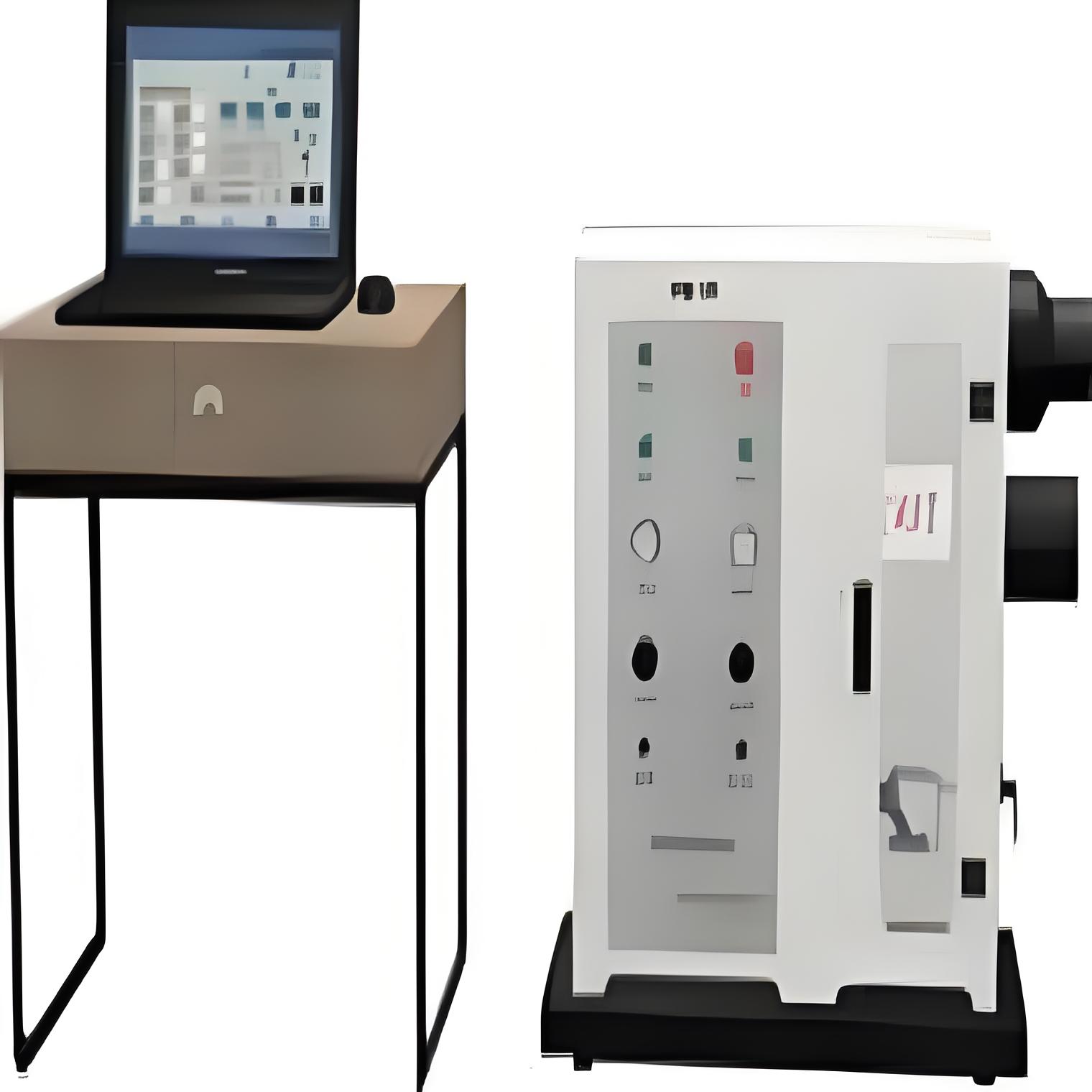
The Building Material Smoke Density Testing Machine uses a flame to directly impinge on the specimen. The smoke density rating is determined by measuring the degree to which smoke generated during combustion obstructs light (i.e., the loss of luminous flux). This principle ensures the accuracy and reliability of the test results.
Testing Procedure Principle:
Ignition of the Specimen
A standard ignition source (usually a Bunsen burner flame) is applied directly to the specimen.
Smoke Generation
The material burns or decomposes, producing smoke particles that fill the test chamber.
Light Beam Penetration
A light source (usually an infrared light source) emits a stable beam through the smoke-filled environment.
Photoelectric Detection
A photoelectric sensor detects changes in light intensity after passing through the smoke layer.
Smoke Density Calculation
The smoke density rating is calculated based on the rate of luminous flux loss.
The Building Material Smoke Density Tester is an important device for evaluating the combustion performance of building materials. It mainly consists of the following components:
Specimen Frame
Used to support the specimen. It is typically made of metal, and its size and shape are determined according to testing requirements.
Combustion Chamber
Equipped internally with a burner to generate flame and heat the specimen. It is generally made of high-temperature-resistant materials.
Optical System
Consists of a light source and a photocell to measure the luminous flux passing through the specimen. The light source is usually infrared, while the photocell captures the light transmittance through the specimen.
Control System
Responsible for controlling the testing process, including ignition, timing, and data recording. It typically consists of a microprocessor and other electronic components.
Exhaust Channel
Used to discharge smoke generated during combustion to the outside, preventing contamination of the indoor environment.
To ensure the accuracy, repeatability, and operational safety of test data, the Building Material Smoke Density Testing Machine must be operated strictly in accordance with standardized procedures.
Instrument Calibration
Before each test, the equipment must be fully calibrated. This is a key step to ensure accurate and reliable test results.
Optical System Calibration
Turn on the power supply and allow the light source to stabilize.
Check whether the zero and full-scale values of the photoelectric system are normal.
Adjust the transmittance to the 100% baseline under a smoke-free condition.
If necessary, use standard optical filters for verification.
Timing System Calibration
Check whether the timer is accurate.
Ensure that the data acquisition system timing is properly synchronized.
Combustion System Inspection
Check whether the ignition device is responsive.
Confirm that the burner position meets standard requirements.
After calibration, records should be kept for traceability.
Gas Flow Inspection
The stability of the gas system directly affects flame intensity and test repeatability.
Check gas pipelines for leakage.
Confirm that gas supply pressure meets equipment specifications.
Adjust the pressure-reducing valve so that gas flow reaches the standard required rate.
Observe whether the flame is stable and whether its color is normal (typically a stable blue flame).
If pressure fluctuations or unstable flames are detected, troubleshooting must be carried out before proceeding.
Preheating Stage
Preheating is essential to ensure stable test conditions.
Ignite the Bunsen burner.
Adjust the flame height to the standard specified value.
Allow the equipment to run without load for a period of time until the combustion chamber reaches the specified temperature condition.
Observe whether the optical system remains stable without abnormal data fluctuations.
Preheating time should follow the equipment manual requirements.
Specimen Placement
Proper placement of the specimen is critical for valid testing.
Prepare the specimen dimensions according to standard requirements.
Place the specimen horizontally and securely on the designated support.
Adjust the support height so that the flame tip is precisely aligned with the center of the lower surface of the specimen.
Ensure that the specimen does not interfere with the optical path system.
After placement, reconfirm that the chamber door is properly sealed.
Formal Testing
During the formal testing stage, external interference must be strictly controlled.
Close the exhaust fan and the smoke chamber door to create a sealed test environment.
Start the timer and data acquisition system simultaneously.
Observe the combustion condition and smoke generation process.
Monitor the transmittance change curve in real time.
Complete the test according to the specified standard duration.
Do not open the chamber door or touch the equipment during the test.
Data Collection and Result Recording
After the test is completed, data should be organized immediately.
Record the maximum smoke density value (if applicable).
Save the transmittance change curve data.
Record abnormal phenomena (such as flashover, dripping, abnormal flame behavior, etc.).
Complete the test report, including specimen number, environmental conditions, test time, and other relevant details.
All data must be complete, accurate, and traceable.
Compliance with Standards and Requirements
Ensure that the equipment complies with relevant standards and requirements when selecting and using the smoke density tester.
Operating Procedures
Strictly follow the operating procedures to ensure the accuracy and reliability of test results.
Operator Qualifications
Testing personnel must receive professional training and possess appropriate qualifications. They should be familiar with equipment performance and safety procedures to prevent accidents or compromised data quality due to improper operation.
Environmental Condition Control
The test environment should be clean and dry. Temperature and humidity must be controlled within specified ranges to avoid interference with equipment operation and test results.
Safety Protection Measures
Operators must wear protective goggles, heat-resistant gloves, and other protective equipment to prevent injury from high-temperature flames or smoke. Ensure proper ventilation in the testing area to promptly remove harmful combustion gases.
Emergency Response Plan
Establish emergency procedures in advance for equipment malfunctions or abnormal flame conditions. Equip the laboratory with necessary fire-fighting equipment to ensure rapid and effective response in case of accidents, safeguarding both personnel and equipment.
Standardized Data Recording
Key parameters, abnormal phenomena, and final results must be recorded in detail and accurately. Records should be clear and traceable for subsequent review and analysis.
Equipment Storage Management
After testing, the equipment should be stored in a dry and well-ventilated designated area, avoiding contact with corrosive substances. If not used for an extended period, appropriate preservation measures should be taken to prevent rust or component damage.
Cleaning the Combustion Chamber After Testing
After each test, promptly remove residual ash, carbon deposits, and unburned materials from the combustion chamber. Use a soft brush or dedicated vacuum equipment to avoid damaging the inner wall coating. Do not use highly corrosive cleaning agents.
Cleaning the Optical System
Since the smoke density tester relies on a photoelectric system to measure light transmittance, lenses, light source windows, and photoelectric sensors must be kept clean. Use a lint-free cloth or lens paper with absolute ethanol for gentle cleaning. Avoid direct contact with optical components by hand.
Checking Sealing Performance
Inspect the chamber door sealing strip for aging, deformation, or damage. Replace it promptly if sealing is inadequate to prevent smoke leakage from affecting test results.
Exhaust System Inspection
Ensure that the exhaust ducts are unobstructed. Check whether the exhaust fan operates normally and whether there are any abnormal noises or vibrations.
In summary, the Building Material Combustion Smoke Density Testing Machine is one of the essential instruments for evaluating the fire performance of building materials. Its accuracy and reliability are of great importance in ensuring building safety. Therefore, during use and maintenance, operations must strictly follow relevant regulations and the equipment manual to ensure normal operation and accurate test results.
Prev:What are the three main types of fire testing?
Next:FAQs about Sleeping Bag Flammability Tester -ASTM F1955
Related
Service Hotline